0:00
0:00
Speed
 By Muhammad Haris · November 21, 2026 · 6 min read
If your customers speak more than one language, an English-only website is quietly turning some of them away. Multilingual SEO is the work of making your site findable and useful in every language your buyers actually use — not just translated, but built for how people search, read, and buy in each market. Done well, it opens new audiences without new products. Done badly, it creates duplicate pages and translations nobody trusts.
Translation is only one part of the job. A page translated word for word can still fail: it may target phrases nobody searches in that language, use the wrong regional variant, or sit on a URL structure search engines cannot connect to the original. Multilingual SEO covers the whole system — which languages to serve, how pages are structured and labelled, what each audience searches for, and how quality is checked before anything goes live.
The first decision is scope. Serving five languages badly is worse than serving two well. Each language is a commitment: translated pages, local keyword research, ongoing updates, and someone who can check the work. Start with the languages your customers already use — enquiries, analytics, and sales data will tell you — and expand only when the first languages are maintained properly.
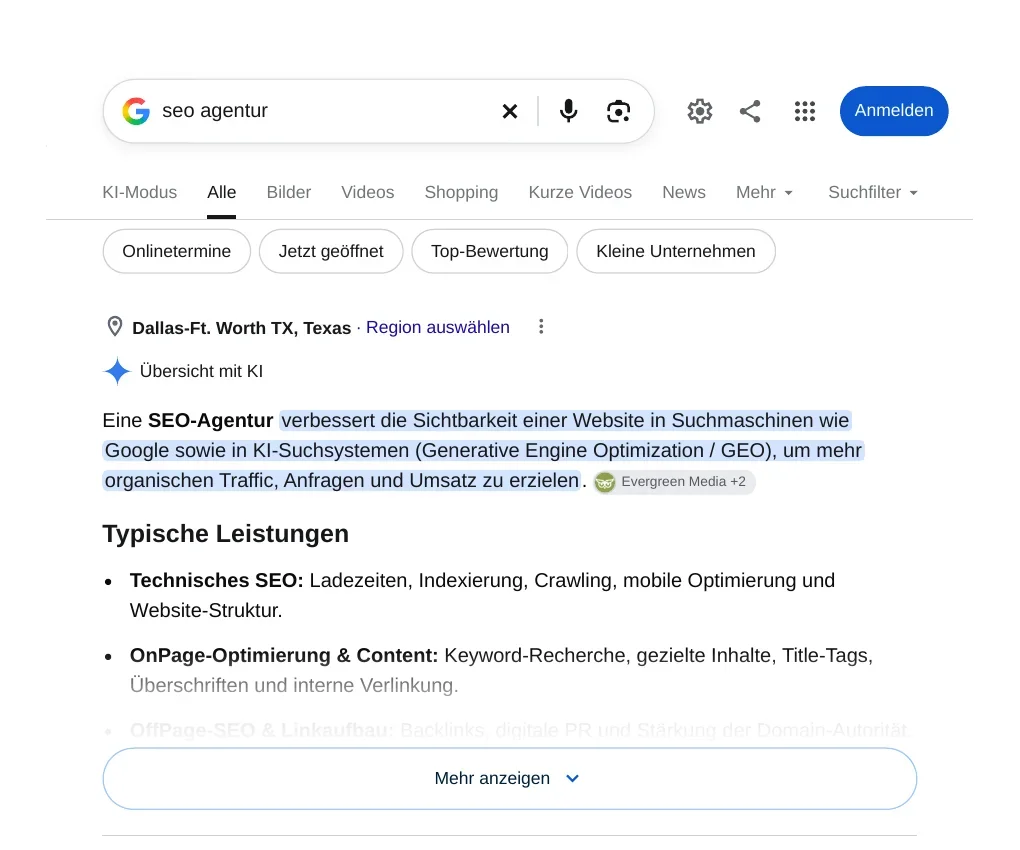
A language is not a market. Spanish speakers in Spain, Mexico, and Argentina search differently, use different words for the same things, and respond to different offers. Arabic varies across the Gulf, Levant, and North Africa. Treating “Spanish” or “Arabic” as one audience produces pages that feel slightly wrong everywhere.
Before translating anything, decide which markets you are actually serving and what each one needs. A business selling to Gulf clients in Arabic needs different content from one selling to Egyptian customers, even though both read Arabic. That market decision shapes everything downstream: which pages to translate first, which regional variant to use, and which local signals — currency, contact options, delivery details — each version must carry.
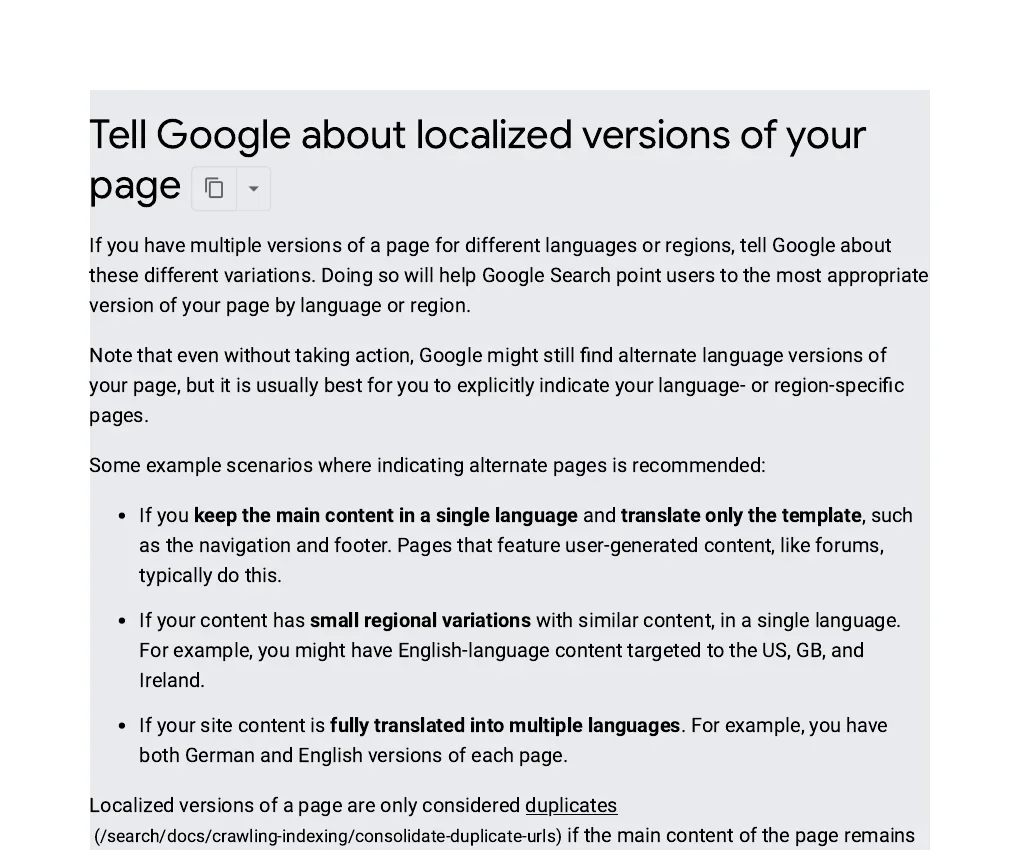
Hreflang is the labelling system that tells search engines which language and region each page version is for, and which versions are equivalents of each other. Without it, translated pages look like duplicate content, and search engines may show the wrong version — English results to French searchers, or the Spanish page to someone searching in Mexico when a Mexico-specific version exists.
The rules are simple to state and easy to get wrong. Every version of a page must point to every other version, including itself. Language codes must be correct — and region codes, where used, must match the market actually served. A missing return link or a wrong code breaks the whole cluster, so hreflang needs checking after every publish, not just at launch. Our international SEO hreflang guide covers the implementation details.
Each language needs its own address, and there are three common ways to build one. Subdirectories (yoursite.com/fr/) keep everything under one domain, which concentrates authority and is simplest to manage. Subdomains (fr.yoursite.com) separate languages more cleanly but split authority across hosts. Separate country domains (yoursite.fr) send the strongest local signal but cost the most to run and build authority for from scratch.
For most businesses, subdirectories are the sensible default: one domain to maintain, shared authority, and clear labelling. Separate domains make sense only when a market is large enough to justify its own site, team, and link-building effort. Whatever you choose, keep it consistent — mixing structures across languages creates maintenance problems.
Direct translation of keywords is one of the most common multilingual mistakes. People do not search in translated English; they search in their own language, with their own words, for their own problems. The English phrase “link building services” may have a natural equivalent in German, or it may be a phrase German buyers rarely type, with a different term doing the real work.
Each language needs its own keyword research: what buyers in that market actually type, how much competition those terms carry, and what intent sits behind them. That research also reveals which pages are worth translating at all — a page targeting a term with no demand in a language should not come first, however important it is in English. Our guide to how to do keyword research explains the process, and the same discipline applies in every language, with a native speaker checking the results.
Machine translation has improved, but it still fails in exactly the places that matter for trust: tone, idiom, technical terms, and calls to action. A product description translated literally can read as careless; a pricing page with the wrong currency format looks untrustworthy; a legal or medical claim rendered imprecisely creates real risk.
The practical standard is human review by a native speaker who knows the subject, for every page that matters — service pages, pricing, checkout, and anything that asks for money or personal details. Machine translation can draft, but a person must check. Also watch the details machines miss: dates, number formats, address formats, and images containing text all need localising.
A multilingual site that is measured as one site hides its problems. Each language version needs its own view: rankings in that language’s search results, traffic from that market, and conversions from those visitors. A French version losing traffic while the English version grows is invisible in a combined report — and the cause could be anything from a broken hreflang tag to a translation that stopped being updated.
Set up reporting per language from the start, and review it on the same schedule as the rest of your SEO. When a language version underperforms, check in order: is it indexed, is the hreflang cluster intact, is the content current, and does it match what that market searches for? For how multilingual work fits the wider picture, see the technical SEO foundations and the content strategy that decides which pages get translated, in what order.
Q: Is multilingual SEO just translating my website?
A: No. Translation is one step. Multilingual SEO also covers hreflang labelling, URL structure, keyword research in each language, translation quality checks, and per-language measurement. A translated site without those is easy to find in the wrong language and hard to trust in the right one.
Q: How many languages should my site support?
A: As many as you can maintain well. Start with the languages your customers already use, proven by enquiries and sales, and expand only when existing versions are current and checked. Five neglected languages help less than two maintained ones.
Q: Do I need a separate domain for each country?
A: Usually not. Subdirectories under one domain suit most businesses: simpler to manage, authority shared, and clear for search engines. Separate domains make sense only when a market justifies its own site and link-building effort.
Q: Can I use machine translation for SEO pages?
A: As a draft, with human review by a native speaker who knows the subject. Unreviewed machine translation risks tone, idiom, and accuracy errors on exactly the pages that ask visitors to trust you — service pages, pricing, and checkout.
Q: How long does multilingual SEO take to show results?
A: Technical fixes and correct hreflang can help within weeks, but meaningful traffic in a new language usually takes months, like any SEO work. Judge each language version on its own trend: indexing, rankings in that language, and conversions from that market.

Muhammad Haris is the Founder of Onyx Growth Labs — an SEO specialist, content writer and SEO team lead. He writes the agency's guides on SEO, AI search optimisation, GEO and AEO, technical SEO, local SEO, Google Business Profile optimisation, link building and content strategy. Based in Abbottabad, Pakistan, he helps businesses worldwide get found on Google and in AI search answers.
If you run a business and you have ever uploaded a video, the questions you ask first are always the same: why…
Read articleIf you run a business in Sheffield, the questions you ask before hiring SEO help are always the same: what does it…
Read articleIf you lead marketing for a large organisation, you have probably discovered that SEO advice written for small businesses does not scale…
Read article


Leave a Reply